
When it comes to running a safe, efficient and compliant facility, choosing the right industrial door is more important than many people realise. The right door not only provides essential security and insulation, it also affects productivity, energy consumption and even regulatory compliance.
With so many options available, from roller shutters to high speed insulated doors, knowing how to choose the right industrial door for your facility can be challenging. In this guide, we’ll walk you through the main types of industrial doors, the key factors to consider, and why professional installation and maintenance are critical to long-term performance.
Understanding the Different Types of Industrial Doors
Before you can decide which door best suits your business, it’s helpful to understand the key door types available and what each one offers.
Roller Shutter Doors
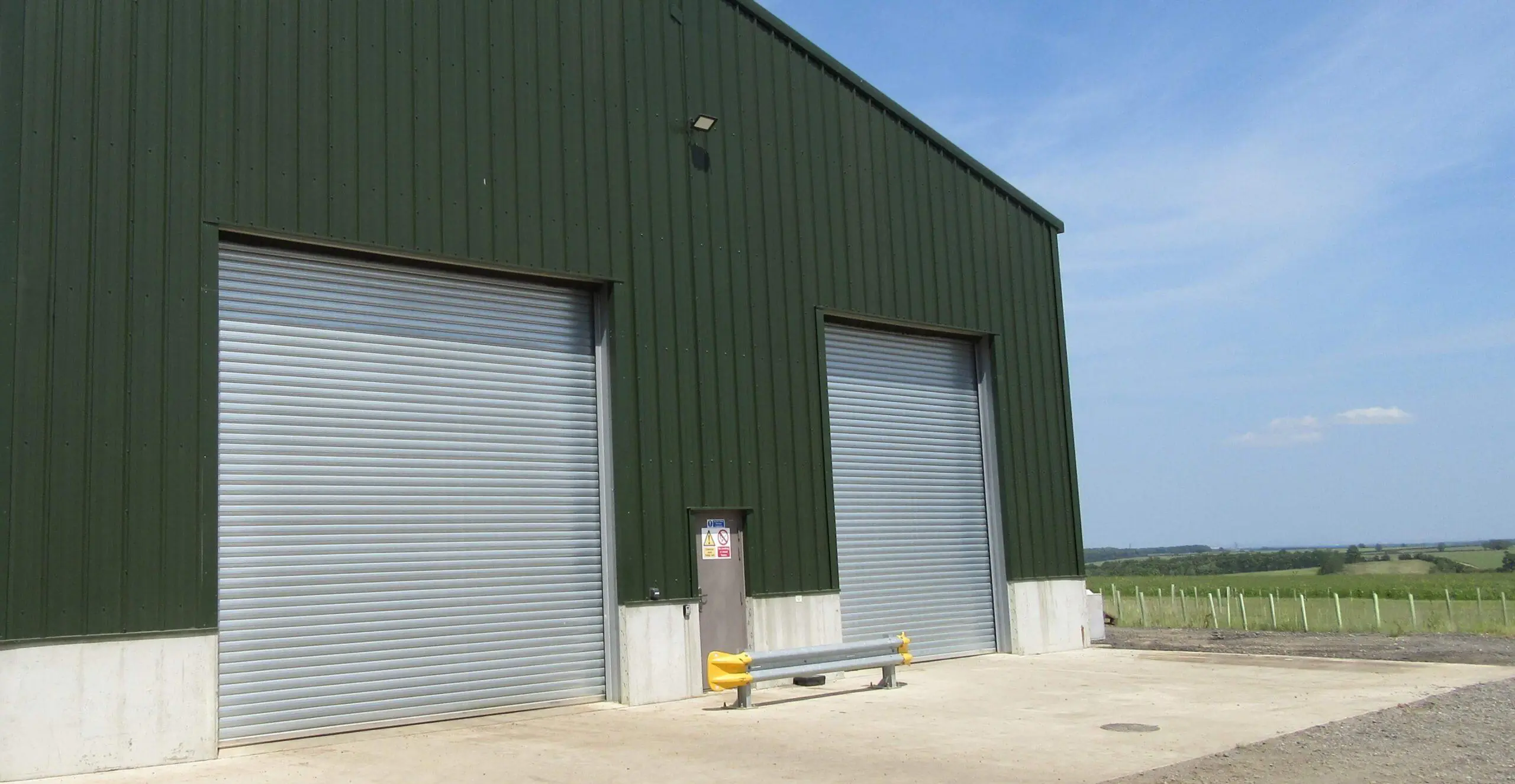
Roller shutter doors are among the most popular choices for factories, warehouses and commercial premises. They roll vertically in a compact coil above the opening, saving valuable space around the doorway.
Key benefits:
- Highly durable and resistant to impact.
- Excellent for areas with limited headroom.
- Suitable for high-traffic applications.
- Available in manual or automated versions.
These doors are a practical and cost effective solution where reliability and security are priorities.
Sectional Overhead Doors
Sectional doors are ideal for larger industrial and logistic facilities. Made up of individual horizontal panels, they open vertically and lie flat beneath the ceiling when raised.
Key benefits:
- Excellent insulation for temperature-sensitive environments.
- Weather resistant seals reduce drafts and heat loss.
- Quiet and smooth in operation.
- Customisable in terms of size, finish and windows.
For businesses seeking energy efficiency and modern appearance, sectional doors are a strong contender.
Steel Hinged Doors
Steel personnel and fire-rated doors are commonly installed in factories, plant rooms and commercial buildings where safety and security are vital.
Key benefits:
- High strength and impact resistance.
- Fire-rated options available for safety compliance.
- Compatible with access control and emergency hardware.
- Long lifespan with minimal maintenance.
Personnel doors are an essential choice for controlled access points and emergency exits.
High-Speed Doors
Designed for fast-paced environments like warehouses, clean rooms and cold storage facilities, high-speed doors open and close rapidly to minimise air exchange.
Key benefits:
- Helps maintain internal temperatures.
- Improves energy efficiency and hygiene.
- Reduces waiting times in busy operations.
- Suitable for both internal and external use.
By reducing waiting times and energy loss, these doors enhance operational efficiency.
Key Factors to Consider When Choosing Your Industrial Door
Every facility is unique, and so are its requirements. Here’s what you should assess before making a decision.
Usage and Frequency
How often will the door be used each day? High-traffic areas require durable mechanisms and motors rated for frequent operation. If the door opens dozens of times per hour, consider automated or high-speed models to improve efficiency and reduce wear.
Environment and Location
Doors exposed to the elements need to withstand wind, rain and temperature changes. In coastal or chemical environments, corrosion resistance is essential. For internal use, such as separating work zones, you will prioritise speed or insulation over weather protection.
Security Requirements
Industrial doors are often a first line of defence. Look for features such as reinforced panels, secure locking systems, and integration with alarms or access control systems. For sensitive sites or valuable stock, steel security doors or heavy-duty roller shutters may be best.
Insulation and Energy Efficiency
Energy costs are a growing concern for every business. Insulated doors, especially sectional or high-speed models, can significantly reduce heat loss and maintain internal temperatures. Check U-values (thermal performance ratings) when comparing options.
Compliance and Safety Standards
Ensure your chosen door meets all relevant UK and EU standards, such as BS EN 13241. Safety features like fall arrest systems, sensor edges, and emergency release mechanisms are vital. Professional installers like CI Doors ensure full compliance during installation and testing.
Budget and Lifecycle Costs
While it’s tempting to focus on the initial price, consider long-term costs too. A cheaper door may require more frequent repairs or replacements. Higher-quality doors with robust components can save money over time through improved performance and lower maintenance.
The Benefits of Professional Installation and Maintenance
Even the best industrial doors won’t perform properly without expert installation. Professional fitting ensures the door is aligned, sealed and safe to operate, reducing the risk of malfunctions or downtime,
At CID, our installation team is trained to handle everything from commercial roller shutters to complex sectional and high-speed systems. We also offer ongoing maintenance packages to keep your doors running smoothly and compliant with UK safety regulations.
Regular servicing not only extends the life of your doors, but also prevents unexpected breakdowns that could disrupt your operations. A small investment in maintenance can save you significant time and cost in the long run.
Invest in Performance, Safety and Efficiency
Choosing the right industrial door is about more than just security, it’s about improving the efficiency, safety and sustainability of your entire facility.
Whether you need a durable roller shutter, a modern insulated sectional door, or a high-speed option for busy operations, CID can help you find the perfect fit.
 Roller Shutters
 Sectional Shutters
 Personnel Doors
 Agricultural Shutters
 Security Bars
 Galebreaker