
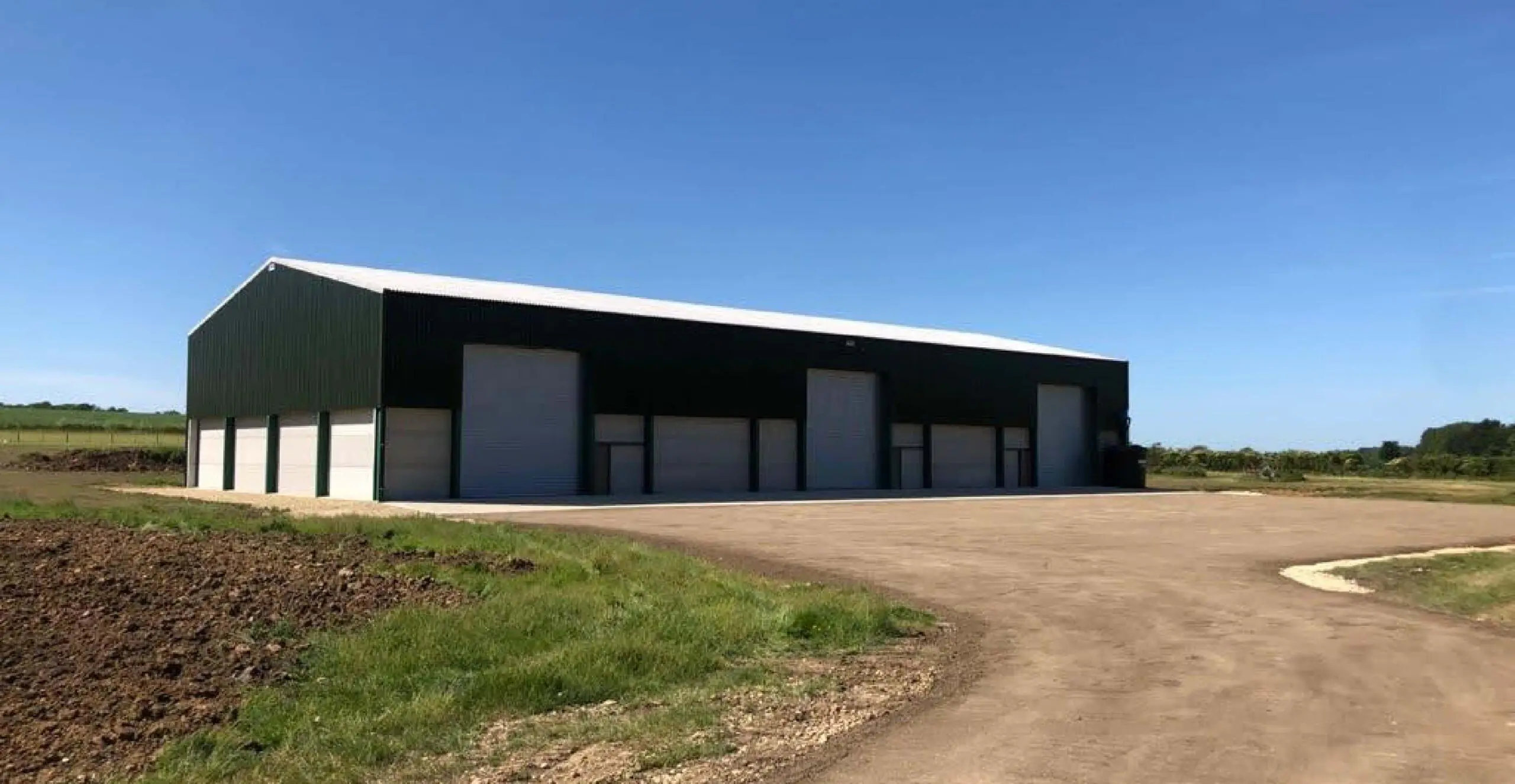
Agricultural environments place unique demands on buildings and infrastructure, and doors are no exception. Whether you’re securing a barn, protecting feed storage or allowing access for heavy machinery, selecting the right farm door is critical to maintaining efficiency, safety and longevity.
Unlike standard commercial or industrial doors, agricultural doors must withstand harsher conditions, more frequent use and exposure to corrosive elements. In this guide, we explore what makes agricultural doors different and how to choose the right solution for your needs.
Why Agricultural Doors Have Different Requirements
Farms present a combination of challenges that you won’t typically encounter in other settings. From unpredictable weather to constant movement of animals and machinery, doors must be built to perform under pressure.
Agricultural doors are regularly exposed to:
- Rain, wind and fluctuating temperatures
- Mud, dust and debris
- Contact with livestock and heavy equipment
- Chemicals such as fertilisers and cleaning agents
In addition, certain areas, such as feed storage, require a higher level of hygiene and protection against contamination. Security is also a concern, particularly when safeguarding valuable machinery and livestock.
Durability in Harsh Agricultural Environments
Handling Heavy Use
On a busy farm, doors are in near-constant use. Tractors, loaders and other large machinery frequently pass through, while livestock may also come into contact with door surfaces.
This means your farm door needs to be:
- Impact resistant
- Structurally strong
- Capable of withstanding repeated operation without failure
Lightweight or domestic grade doors simply won’t hold up in these conditions.
Weather Resistance
Agricultural doors must also stand up to the elements. Prolonged exposure to moisture and UV rays can quickly degrade lower quality materials.
Look for doors with:
- Weather resistant seals to prevent water ingress
- Materials that won’t warp, crack or degrade over time
- Finishes designed to handle outdoor exposure
Corrosion Resistance for Long-Term Performance
Common Causes of Corrosion on Farms
Corrosion is one of the biggest threats to agricultural doors. Unlike other environments, farms expose materials to a mix of moisture, manure and chemicals, all of which accelerate deterioration.
Best Materials for Agricultural Doors
To combat corrosion, material choice is key. Common options include:
- Galvanised steel, which offers strong protection against rust
- Aluminium, which is naturally corrosion resistant and lightweight
- Powder coated finishes, which add an extra layer of durability
Maintenance Considerations
Low maintenance solutions are particularly valuable in agricultural settings, where time is often limited. Choosing doors with easy clean surfaces and protective coatings can significantly extend lifespan while reducing upkeep.
Ease of Operation in Rural Settings
Manual vs Automated Doors
Automation can be a major advantage, particularly for large barns or high traffic access points. Automated doors can:
- Improve efficiency
- Reduce manual labour
- Streamline daily operations
However, manual doors still have their place, especially in smaller or more remote areas where simplicity and reliability are priorities.
Reliability in Remote Locations
Rural locations don’t always offer immediate access to maintenance support, so reliability is essential. Industrial doors should feature:
- Robust, proven mechanisms
- Minimal reliance on complex components
- Manual override options in case of power failure
Accessibility for Machinery
Agricultural operations often involve large, awkward machinery. Door design must accommodate this with:
- Wide, unobstructed openings
- Smooth operation to avoid delays
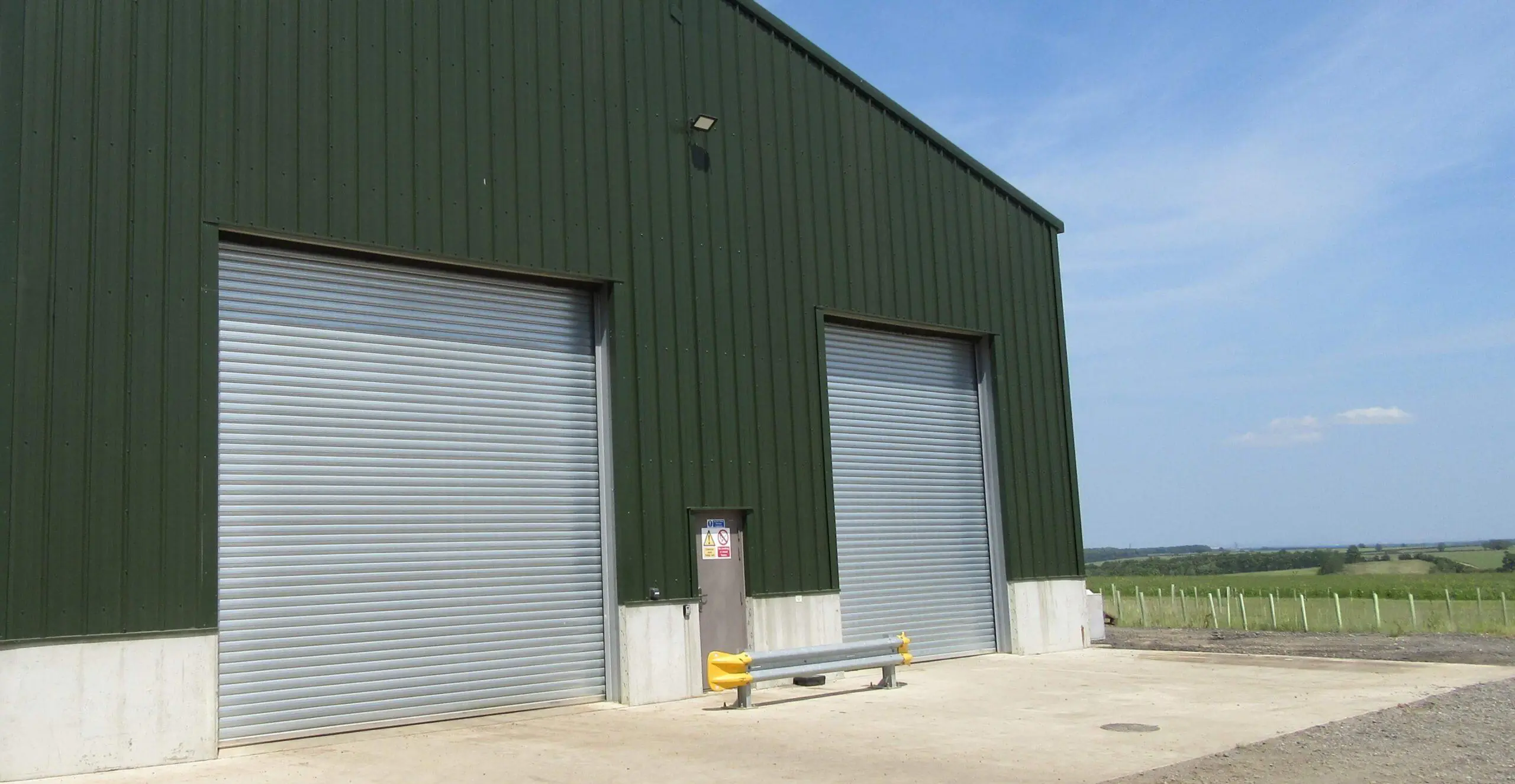
- Practical formats such as sliding or roller barn door systems
What’s the Right Door for Agricultural Uses?
Barn Doors
Barns require doors that balance durability with functionality. Ventilation can be important for livestock, while surfaces must be easy to clean and resistant to damage.
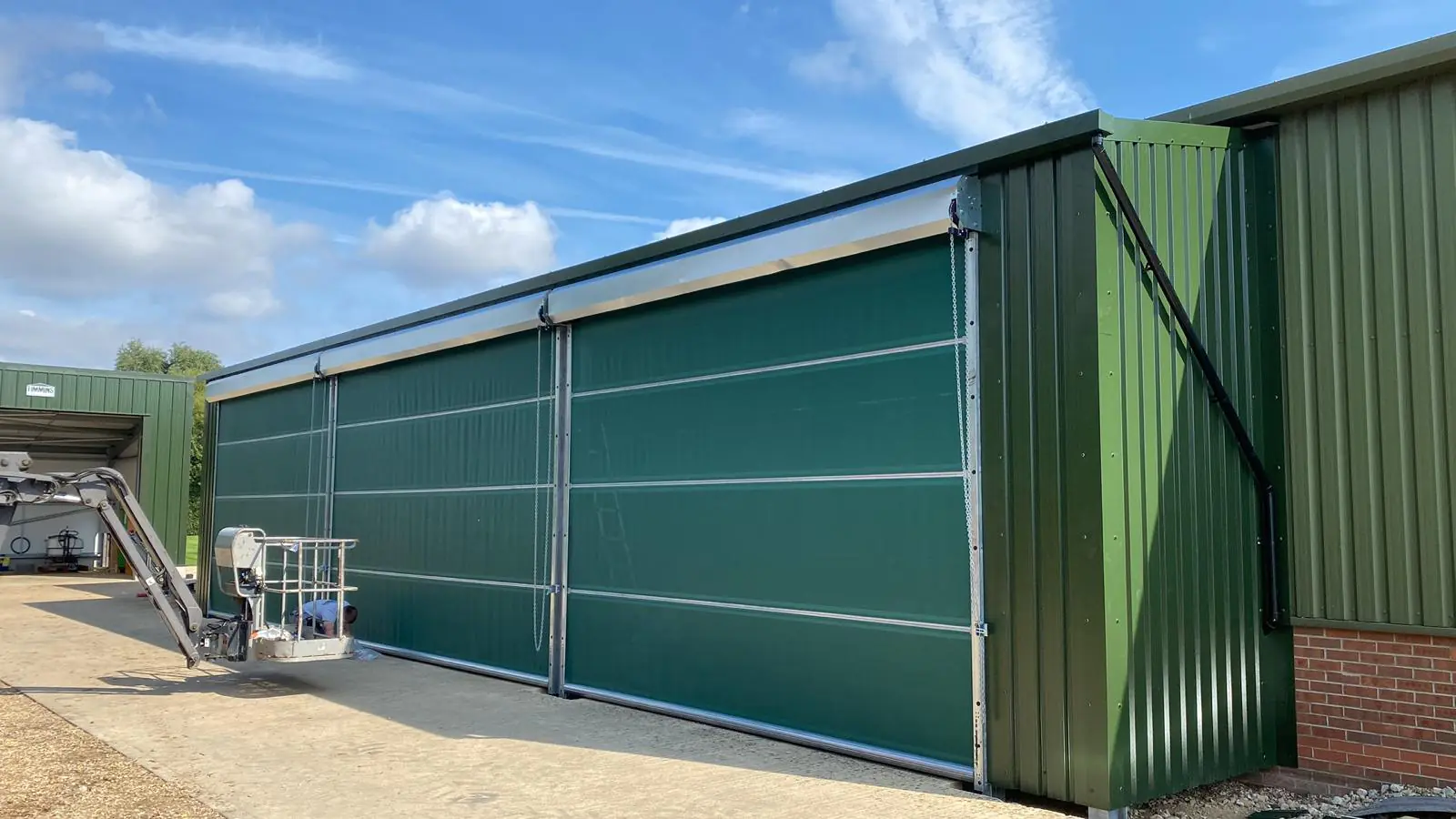
Sliding barn doors are often a popular choice due to their practicality and space saving design.
Feed Storage Doors
When it comes to feed storage, protection is critical. Doors should:
- Seal tightly to prevent moisture ingress
- Keep out pests and contaminants
- Be easy to clean to maintain hygiene standards
Equipment Storage
Agricultural machinery represents a significant investment, making security a key consideration. Doors for equipment storage should include:
- Reinforced construction
- Secure locking systems
- Resistance to forced entry
Key Features to Look for in a Farm Door
When selecting a farm door, it’s important to focus on features that will deliver long term value. These include:
- Strong, reinforced panels for durability
- Corrosion resistant materials and finishes
- Smooth, reliable operation
- Custom sizing to suit agricultural buildings
- Optional insulation where temperature control in required
Common Mistakes to Avoid
Choosing the wrong door can lead to costly repairs and operational inefficiencies. Some common mistakes include:
- Installing doors designed for domestic or light commercial use
- Overlooking the risk of corrosion
- Selecting doors that are too small for machinery access
- Ignoring long term maintenance requirements
Taking the time to assess your specific needs will help you avoid these pitfalls.
The Bottom Line: Agricultural Doors Demand Quality
Agricultural environments demand more from doors than almost any other setting. From harsh weather and heavy use to corrosion and hygiene concerns, the challenges are unique, and so are the solutions.
Choosing the right farm door ensures your buildings remain secure, functional and efficient for years to come. By focusing on durability, corrosion resistance and ease of use, you can invest in a solution that truly supports your day-to-day operations.
For the best results, it’s always worth consulting with specialists like CI Doors who understand the demands of agricultural settings and can recommend a door tailored to your exact requirements.
FAQs
What is the best type of farm door for a barn?
Sliding barn doors are often ideal, as they provide wide access, are easy to operate, and can withstand frequent use in demanding environments.
How do I prevent corrosion on agricultural doors?
Opt for galvanised or powder coated materials and carry out regular cleaning to remove moisture, chemicals and debris.
Are automated doors suitable for farms?
Yes, particularly for larger operations. However, they should be durable and include manual override options in case of power outages.
What features are important for feed storage doors?
Tight seals, pest resistance and easy to clean surfaces are essential for maintaining hygiene and protecting feed.
How do I choose the right size door for agricultural use?
Measure the largest machinery that will need access and allow additional clearance to ensure safe and efficient movement.

 Roller Shutters
 Sectional Shutters
 Personnel Doors
 Agricultural Shutters
 Security Bars
 Galebreaker